
The Coppola movie you never heard of and how it pioneered 2020s virtual film-making… in the early 1980s.
Electronic Cinema


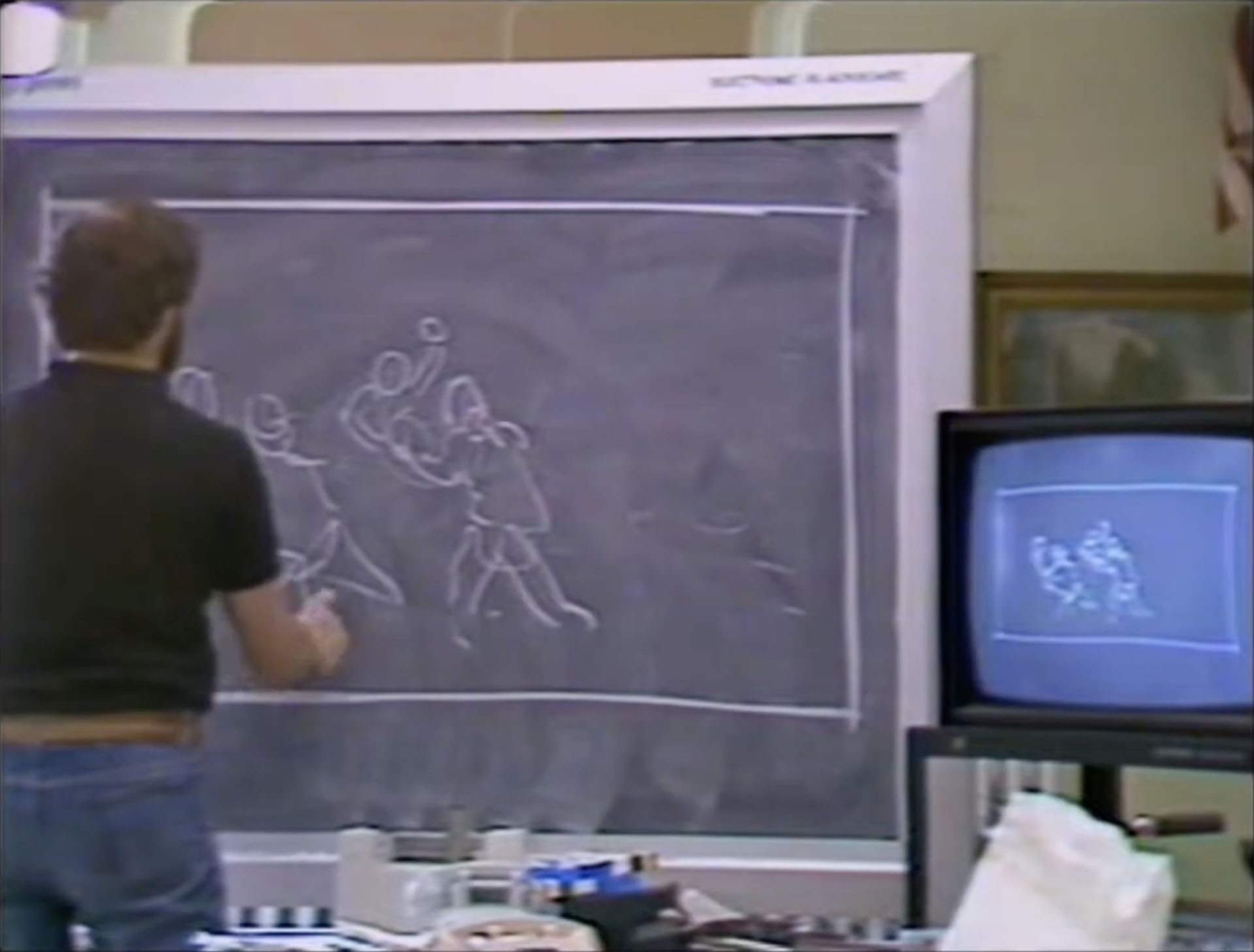
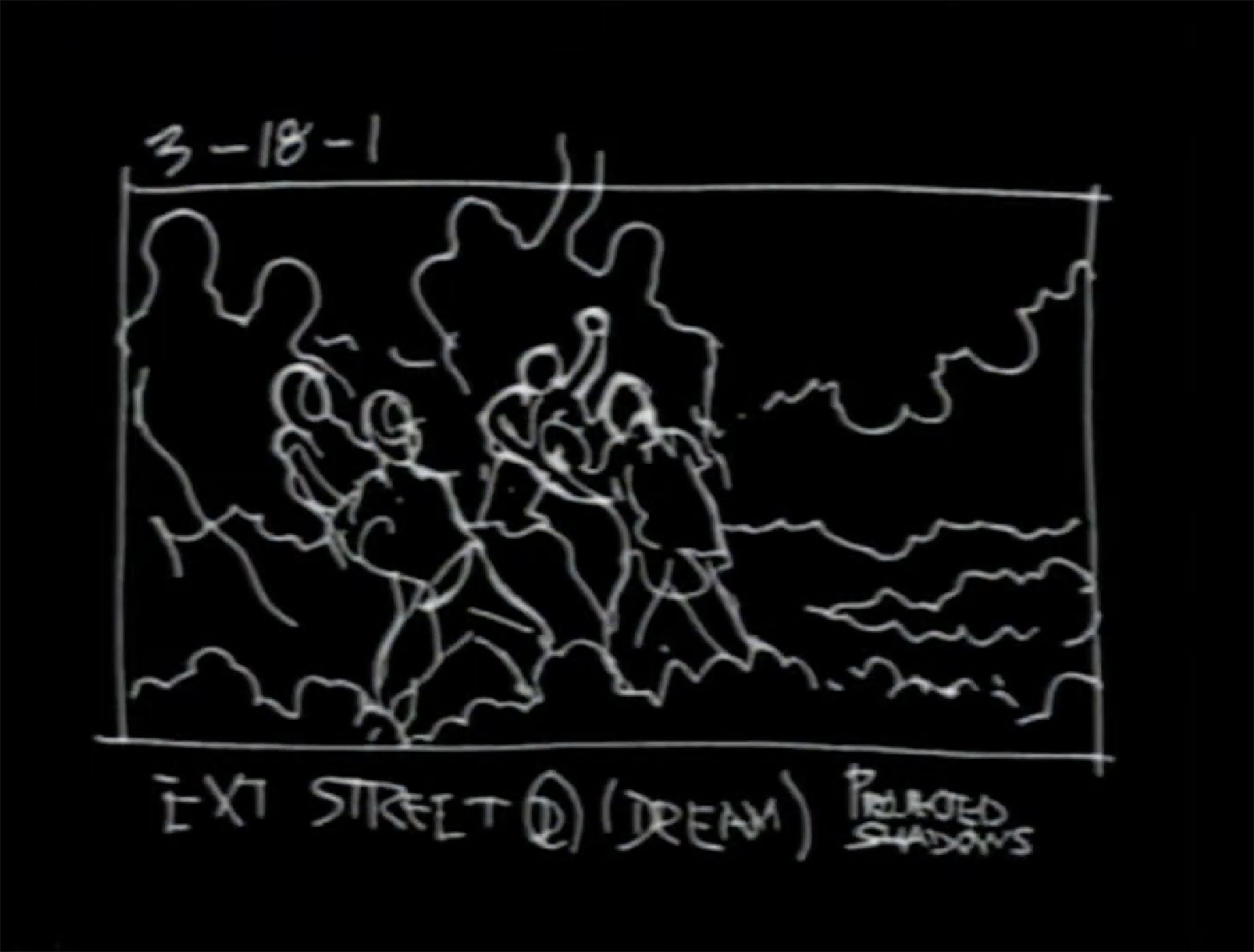
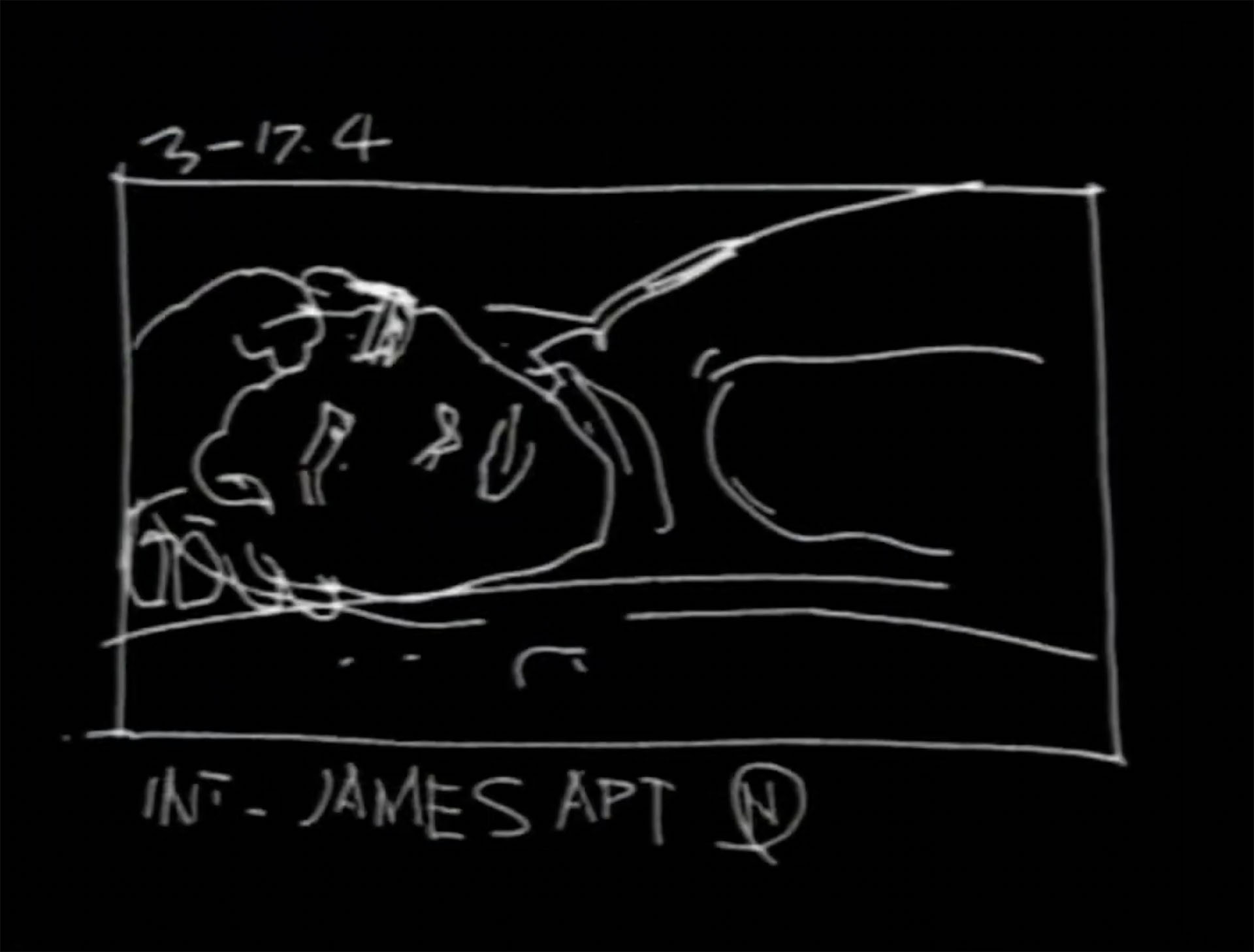
“For Francis, previsualisation was the idea of trying to see the movie before you filmed it.” In this behind the scenes featurette from 1983, we see how director Francis Ford Coppola, together with cinematographer Stephen H. Burum and production designer Dean Tavoularis, previsualised the entire movie. Techniques included storyboarding using an ‘electronic blackboard’, and filming the actors against green screen, then replacing the backgrounds with photos and sketches of the locations:
Doomed from the Start?
Quoted in Daniel Malone‘s essay, ‘The Motorcycle Boy Reigns: Why Francis Ford Coppola’s Rumble Fish is the ’80s most effective coming-of-age movie’, Alex Cox‘s introduction to the film on his series Moviedrome sheds some light on both its production and its scuttling by the studio:
More Behind the Scenes
Matt Dillon and Diane Lane on the making of Rusty James’ out-of-body sequence (via Criterion):
Matt Dillon and Francis Ford Copolla talk Rumble Fish in 1983 (via CBC):
Bonus
20 minutes of deleted scenes:
Further Viewing
Director Robert Rodriguez basically asked, “What if electronic cinema was the finished product?” The result was Sin City (2005):
We look at more examples of approaches to pre-visualisation, or previs, to help develop and communicate your ideas to your crew before filming even begins:
And while the green screen tech used in Rumble Fish has given way to more advanced technology, including Unreal Engine and The Volume…
… productions in the years since, from James Cameron‘s Terminator 2: Judgement Day (1991) to Curry Barker‘s Obsession (2026), have come back around to a technique as old as cinema itself – rear projection: