
The deceptive marketing and diminishing returns of “the First Ever AI Feature-Film”
Hell Grind (2026) made headlines for its debut during the 2026 Cannes Film Festival…
… except, it didn’t screen at Cannes (the festival), but in Cannes (the place) – a distinction its creator’s studio, Higgsfield AI, doesn’t seem to be as urgent to clarify:
Is the argument that value was created here?
How Is It As A Movie?
I watched about as much as I could manage of the first 20 minutes, which Higgsfield AI posted on YouTube. It’s true: the facial ‘stability’ is indeed impressive, thanks to the use of Seedance 2.0. But beyond the easy nitpicks of typical AI quirks…
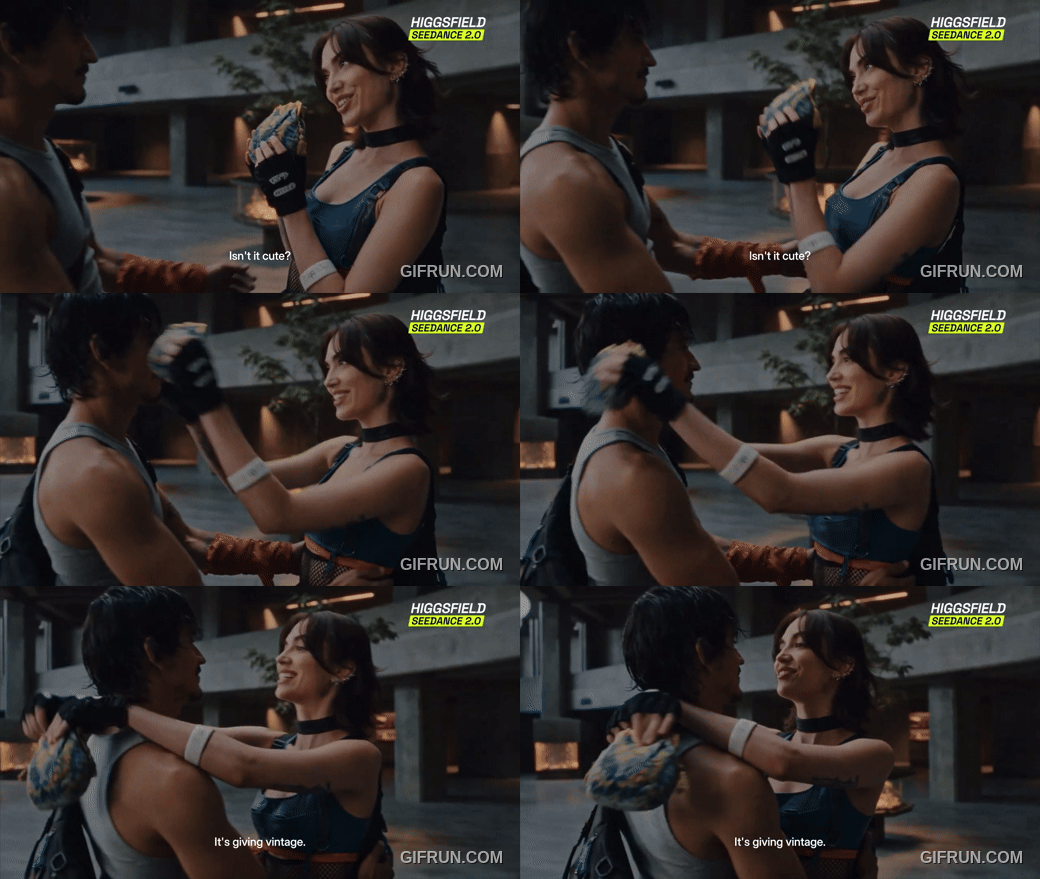
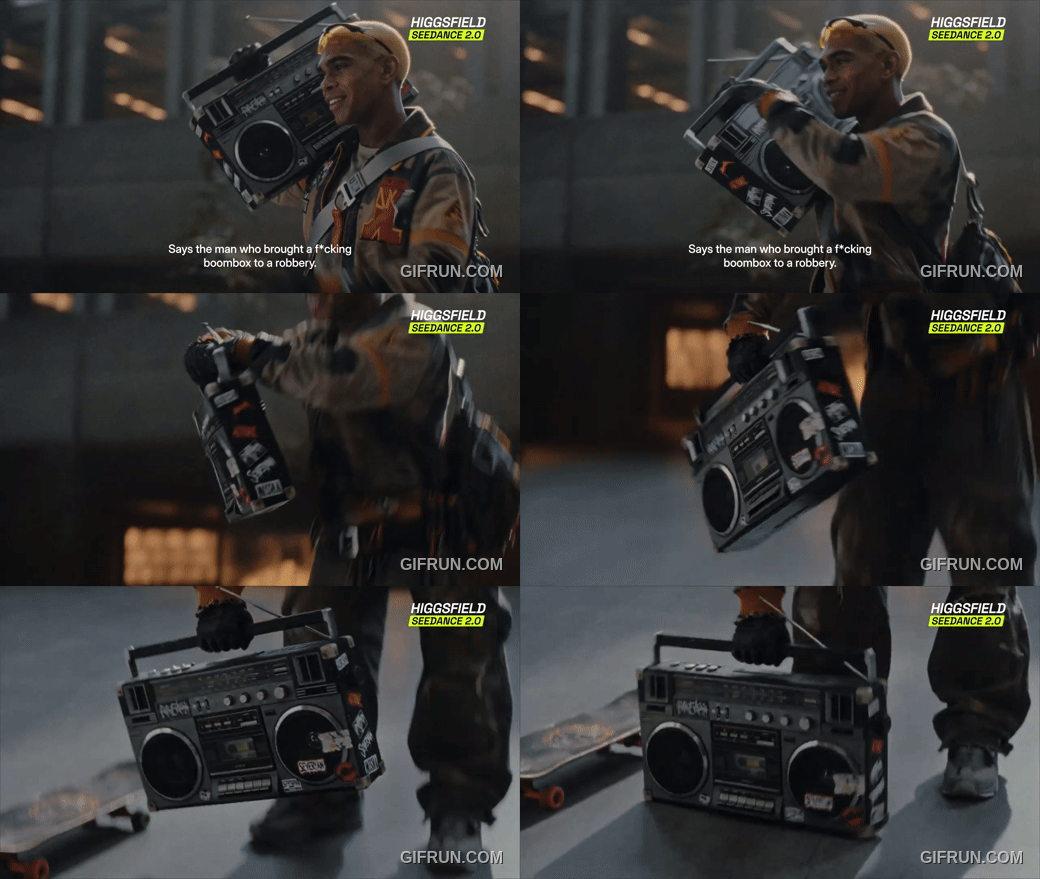
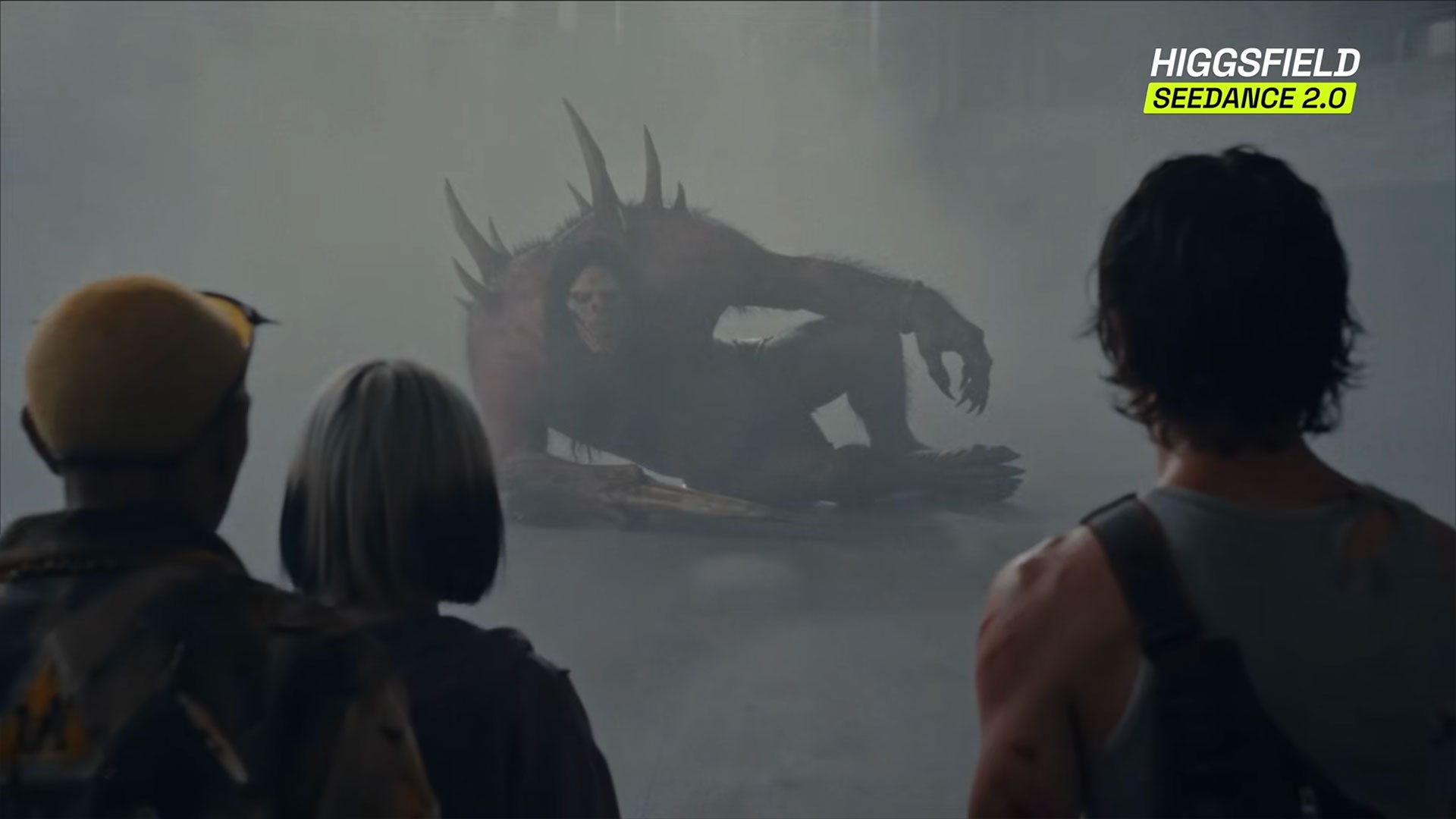
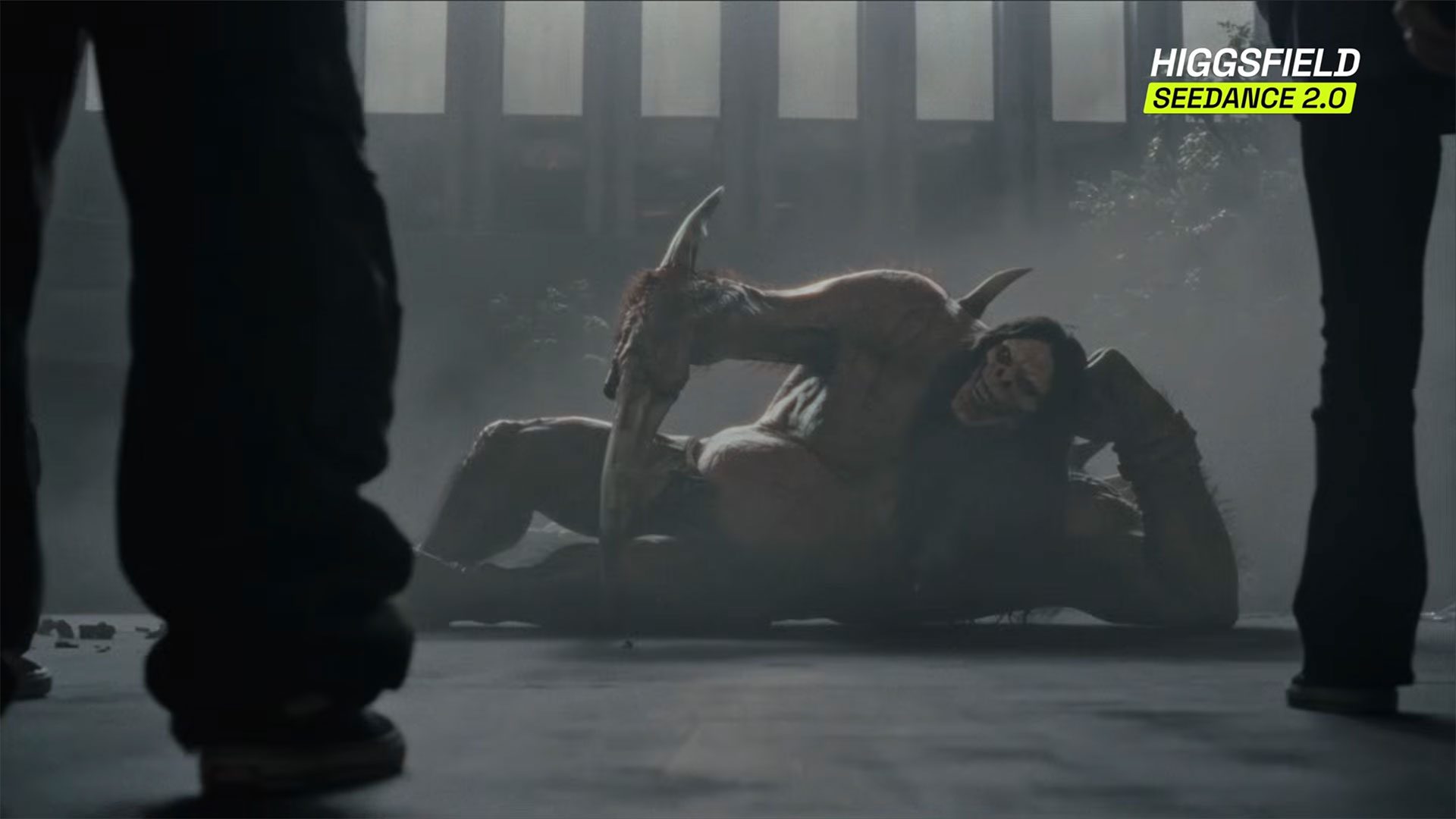
… Hell Grind is bleak on every level. The story, dialogue, action sequencing, and emotional beats certainly feel AI generated (“NO CAP, THIS IS GIVING ME VERY BAD VIBES!” is an actual line). It’s largely devoid of humanity and even second thought:
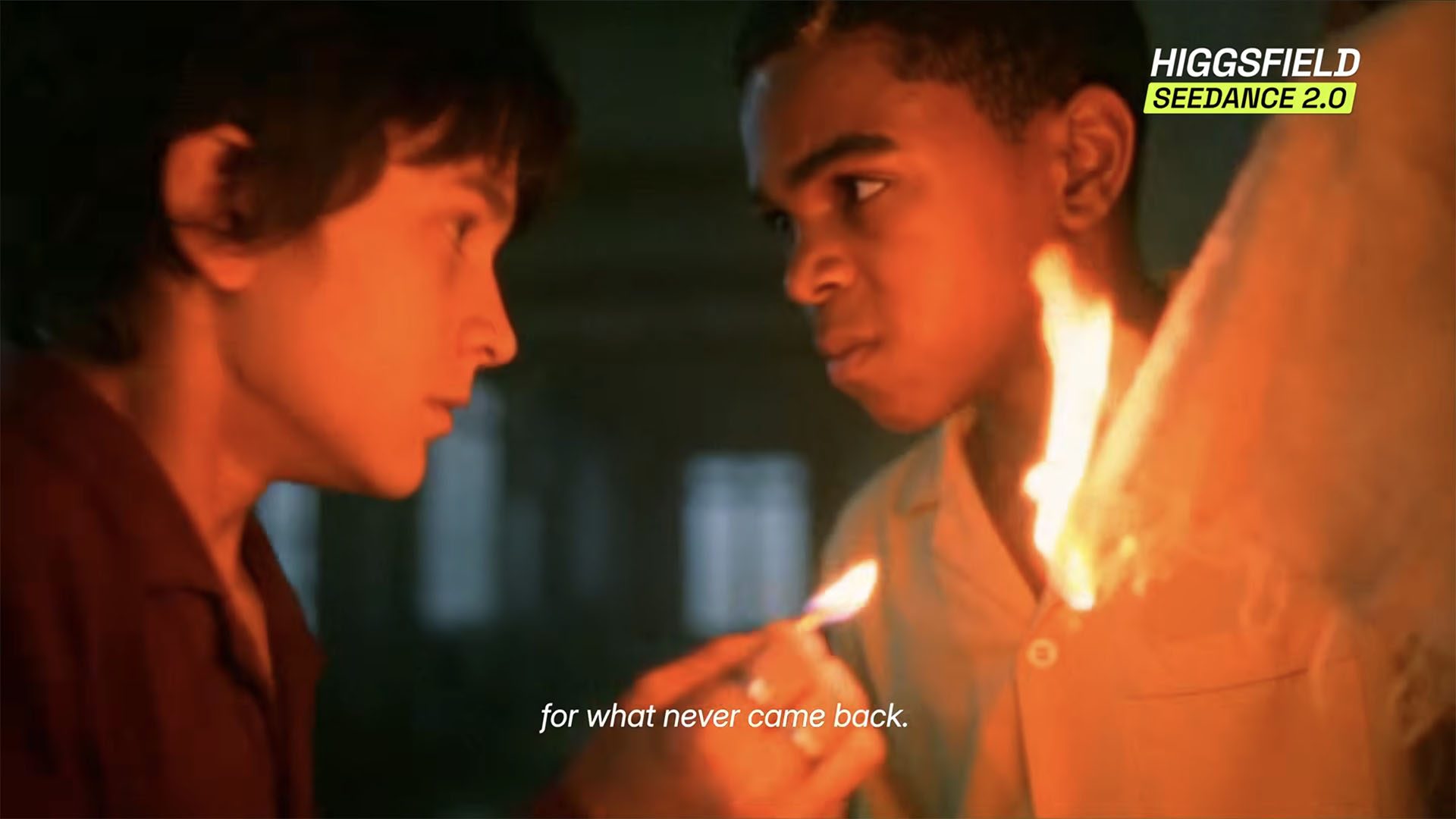
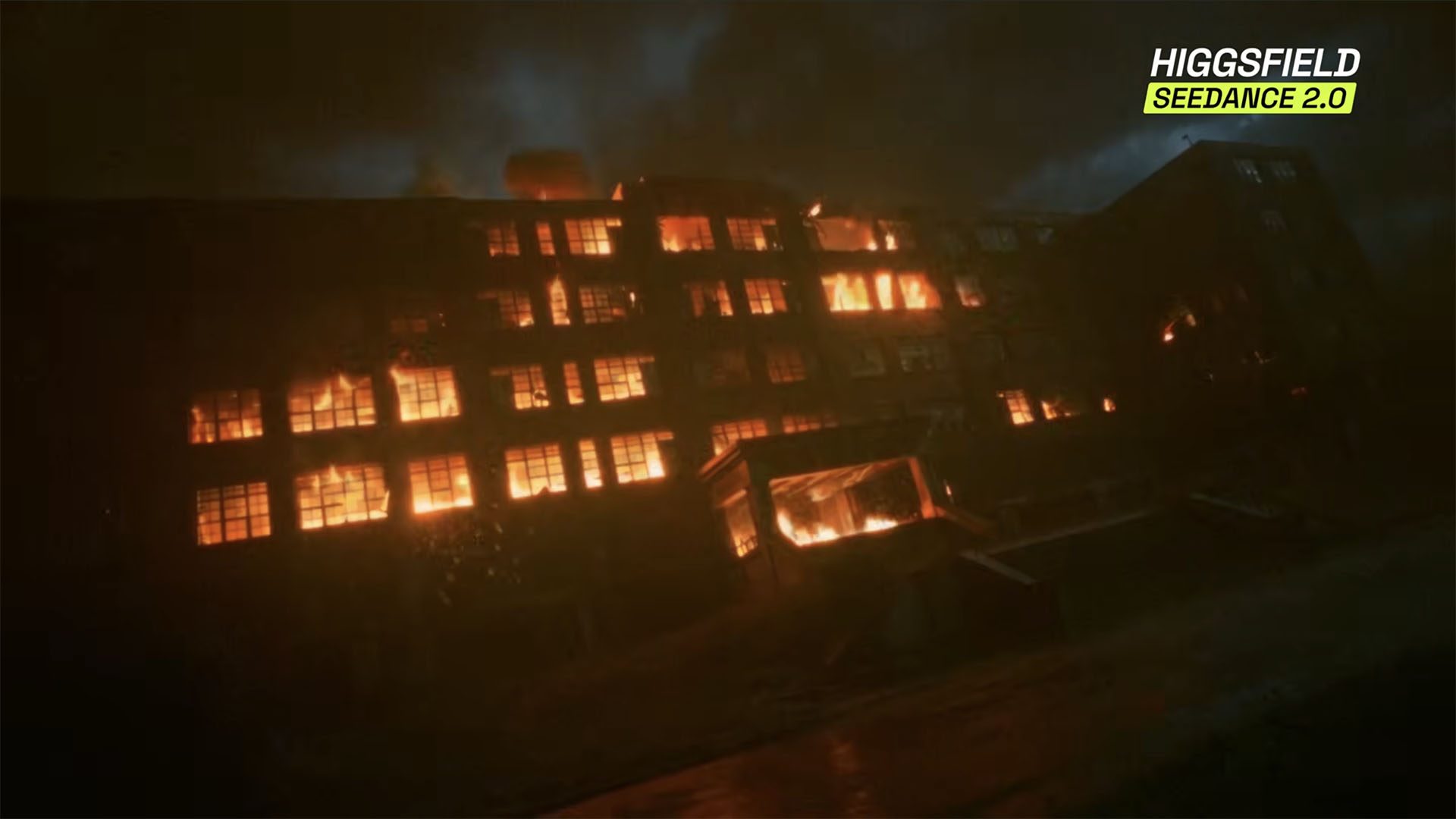
This would be depressing enough if it were made using a film crew and human actors. But at this point, using objectively powerful technology to painstakingly generate premium slop is less about the limitations of the tools, and more about the lack of taste, creativity, or talent on the part of its token slingers.
Acceptance Rate
Among the film’s selling points are that it was shot in 14 days, that actual film-makers worked on it, its creators’ acceptance rate, and how much it cost to make. Let’s break down those claims:
- “Shot in 14 days” – nothing was “shot”. It was in fact a 14-day sprint, which is coding, not film-making
- Actual film-makers worked on it – the 15-person team included DPs and editors, presumably working in prompting or consulting capacities
- Acceptance rate – how many prompts entered versus how many generated results made the final cut. This claim in particular isn’t the W some seem to believe it is. It’s reported that each 15 second shot required an individual 3,000 word prompt, and that over 98% of the results were rejected. What’s being celebrated here is discernment – a basic requirement of any creative process. But what this actually tells us is that AI generated video is still far from discerning itself – which means human discretion is still required to direct and (barely) reign in the output. In old school film-making terms, this is basically the filming ratio (the hours filmed versus the minutes which make the final movie).
- $500,000 for a $50 million equivalent movie – while Hell Grind may have cost less money and involved fewer people than an actual fantasy action film, is the argument that value was created here? The AI tools used to create Hell Grind trained on movies, games, and other human-generated art. A more accurate budget estimation would be the cost of (and years spent on) all those works, plus the $500,000 and two weeks of this project – in other words: Hell Grind was actually billions of dollars and decades in the making. Beyond that: the cultural importance of those works, not least for the creation of Hell Grind, isn’t measured in dollar amounts. Those works necessarily made a cultural footprint. Will the same be said of Hell Grind?
How It Was Made
They explain the process (and feature a co-sign from… the director of The Mask?):
Further Viewing
An actual Cannes Film Festival alumnus, director Darren Aronofsky, recently tried his hand at AI film-making – and the response was…