
Process and commentary, as shared by the film’s animators.
Miguel O’Hara (Oscar Isaac), the toxic fanboy: driven to destroy anyone and everyone between him and what he “protects”. From hunting Miles and screaming at him that he, a person of colour, was never meant to be Spider-Man, to staring obsessively and furiously at his computer screens, and assuring his cultists that they are the “good guys”; who looks like the idealised brooding superhero, but is in actuality the menacing villain of someone else’s story… how isn’t his character a commentary on toxic fandom specifically (as well as, y’know, authoritarianism generally)?
BTS
Senior animator Em Guiry explains just how much thought goes into every moment of animation:
After seeing storyboards of the pickup basketball game in Miles's dimension, Animator Em Guiry made it a priority to work on that moment. As a sister to someone who is quadriplegic, it was important to her to represent the community meaningfully. Em-V-P! #CreatingTheSpiderVerse pic.twitter.com/cA5W0EjbbY
— Spider-Man: Beyond The Spider-Verse (@SpiderVerse) February 22, 2024
Visdev Kat Tsai shares concept and colour exploration work…
… and cinemahow analyses the final result:
Co-producer Christopher Miller explains how computer-generated animation has a ‘Camera Department‘:
14-year-old animator Preston Mutanga created the movie’s (computer-generated) Lego animation scenes (via NBC):
Further Viewing
Sadly, as with many big-budget films featuring digital animation and visual effects, reports of the working conditions for the artists have since emerged (Vulture, via Complex):
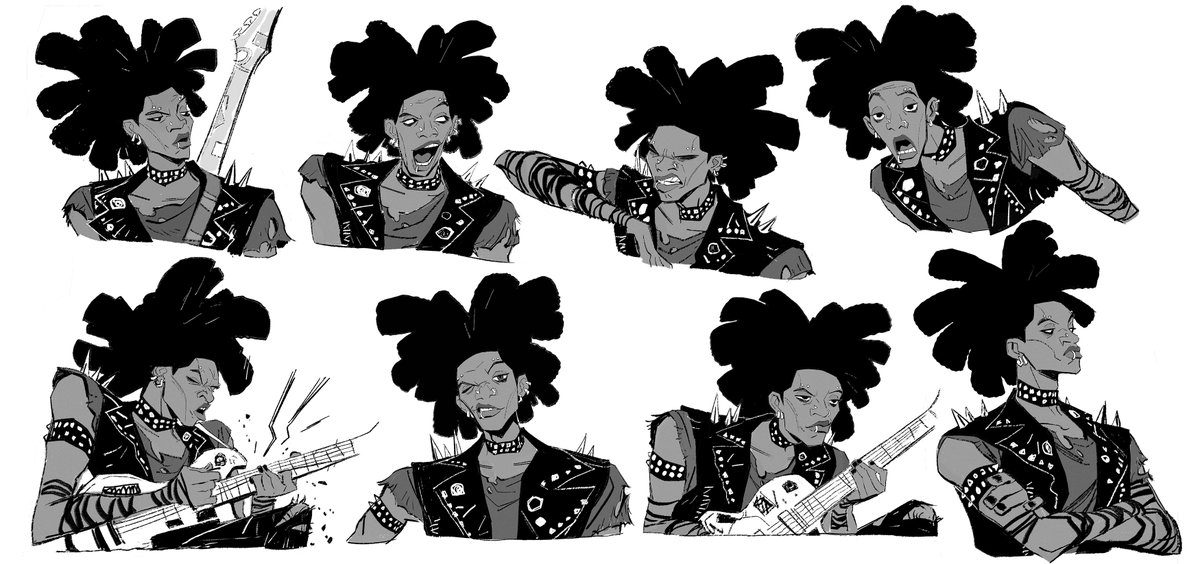
“This is what side characters can be.” schnee‘s examination of the scene-stealing Hobie (Daniel Kaluuya) reads his grassroots anti-facism through the lens of the writing of George B. N. Ayittey, notes the surprisingly layered and thematically detailed crafting of his character, and demonstrates how these details reveal themselves only upon rewatch:
“This is the ‘Han Shot First’ of the Spider-Verse” – schnee has also compiled a thread of alterations made to the film’s digital release version from its theatrical release version (yet another sad example of digital media’s erasure of our collective pop cultural memory and shared experience):
Karan Soni, who plays Pavitr Prabhakar aka Spider-Man: India, on the collaborative process behind his character’s development:
In this expansive discussion, Jessie Gender and friends trace myriad signifiers of minority and counter-cultural archetypes within the film’s text, key to Unraveling The Spider-Verse‘s Queerness:
I know nothing about this video or its animator, Spine_apples, but i have watched it too many times…
It’s miraculous that we got a sequel this good to a first instalment that was, it seemed at the time, untouchably amazing: